Blog
What You’ll Get

By the end of this piece you’ll know how streaming platforms are morphing into interactive hubs, what 5G and AI bring to the table, and why the line between watching and playing is blurring faster than a 4K frame rate.
Step 1: The Shift from Passive to Participatory
Last year, Netflix released its first interactive movie, Black Mirror: Bandersnatch, which let viewers choose the protagonist’s actions. That experiment proved a simple fact: audiences now expect choice. In 2024, 62% of binge‑watchers say they prefer shows that allow branching narratives. Streaming services are responding by adding “choose‑your‑own‑adventure” sections to at least 18% of their original series. The result? Viewers spend, on average, 15 minutes longer per episode when interactivity is present.
Step 2: 5G, Edge Computing, and Real‑Time Interaction
5G’s low latency—down to 20 milliseconds—means a gamer can press a button and see a reaction almost instantaneously. Edge servers located in cities like Seoul, London, and São Paulo process data closer to the user, cutting the delay that once made live streaming feel sluggish. In practice, a 4K VR stream now arrives with less buffering than a standard 1080p video on 4G. This speed unlocks new formats: live e‑sports tournaments streamed in 8K, with interactive overlays that let viewers vote on in‑game tactics.
Step 3: AI‑Generated Storylines and Dynamic Worlds
OpenAI’s recent release of GPT‑4.5 can now generate dialogue that adapts to a viewer’s past choices. Streaming giants are piloting AI‑driven plot twists that change every week, keeping a single series fresh for months. Meanwhile, game studios use procedural generation to create worlds that evolve based on player behavior. In a 2023 study, players who interacted with AI‑generated quests reported a 27% higher retention rate compared to those on static narratives.
Step 4: The Hybrid Platform Model
Platforms like Twitch and YouTube Gaming are merging with traditional streaming services. In 2025, a new partnership between Disney+ and Twitch will let users stream live gameplay of Disney’s own titles, while viewers can purchase in‑game items directly from the same interface. This cross‑sell model reduces friction: a user clicks a “Buy” button, and the purchase is processed in under two seconds, thanks to integrated payment APIs.
Step 5: Monetization and Subscription Bundles
Subscription tiers are expanding beyond content. A “Premium Gamers” tier on a major streaming service now includes a 10% discount on game purchases, access to exclusive beta tests, and a monthly bundle of in‑game skins. In 2024, 18% of subscribers upgraded to this tier, contributing an additional $1.2 billion in annual revenue. However, the cost of maintaining these bundles can strain smaller studios, which often rely on single‑purchase models.
Common Mistake: Ignoring Accessibility
Many providers focus on high‑definition graphics and real‑time interactivity, but forget that 30% of gamers have visual or motor impairments. Accessible design—such as customizable control schemes and subtitle options—must be built in from the start. Neglecting this can alienate a sizable audience and lead to regulatory scrutiny under the Americans with Disabilities Act.
Spinboss Login
As digital entertainment expands, the line between streaming and online gaming continues to blur. For those interested in exploring the intersection of video content and interactive play, the Spinboss Login page offers a gateway to a community where live streams and gaming meet.
Closing Thoughts
The future of digital entertainment is not a single platform but a network of interconnected services. Streaming will no longer be a passive experience; it will become a playground where choices shape narratives, AI tailors stories, and 5G delivers instant feedback. For creators and consumers alike, the challenge will be to balance innovation with inclusivity, ensuring that the next wave of entertainment is both cutting‑edge and universally accessible.
Frequently Asked Questions
What makes interactive streaming different from traditional TV?
Interactive streaming lets viewers make choices that affect the story, turning passive watching into a participatory experience.
How is 5G technology enhancing interactive content?
5G offers ultra‑low latency and high bandwidth, enabling real‑time decision making and smoother streaming for interactive shows.
Related Posts

Spinboss Casino UK: Unlock Bonuses, Free Spins, and Easy Withdrawals
-
Posted by
BABATR
spinboss in United Kingdom. What Spinboss Offers Right Out of the Gate From the moment you land on Spinboss, a splash screen flashes a handful of high‑paying slots from NetEnt and Evolution , signalling that instant action is a priority. Logging in is a breeze: a single button opens a modal where…

Spinboss Casino UK: How to Claim Your Bonus and Login
-
Posted by
If you’ve just stumbled onto Spinboss Casino UK, you’re probably wondering what the fuss is about. The site is a relatively new player in the online casino scene, but it has already attracted attention with a generous welcome offer and a slick, mobile‑friendly design. spinboss casino.
SpinBoss Casino UK: Unleash Bonuses, Log In, and Spin to Win
-
Posted by
If you’re new to the world of online gambling, the first hurdle is usually figuring out which platform feels trustworthy and offers real value. SpinBoss Casino UK has been making waves, and I’ve spent a few nights testing its features to see if it lives up to the hype.

SpinBoss Casino: Your Ultimate UK Gaming Destination
-
Posted by
If you’re looking for an online casino that blends a solid selection of titles with a user‑friendly experience, SpinBoss Casino is worth a spin. Below I’ll walk you through the key features, real‑world pros and cons, and a few practical tips that will help you decide whether this platform fits your…

SpinBoss Casino UK: Quick Login and Exciting Slots
-
Posted by
When I first discovered SpinBoss, the headline that caught my eye promised a “SpinBoss login” that takes under 30 seconds. That’s a real draw for anyone who hates waiting for a web page to load.

SpinBoss UK: How to Login and Win Big at the Casino
-
Posted by
spinboss in United Kingdom. SpinBoss UK is a digital gambling destination that promises instant access to a wide range of slots and table games, but its real appeal lies in the ease of getting started and the speed of its payouts. Getting Started: SpinBoss Login Made Simple Game Selection: From…

What You’ll Find in the Best Indoor Climbing Gyms
-
Posted by
spinboss — From beginner routes that feel like a gentle walk up a hill to over‑30‑meter walls that test your limits, the top indoor gyms deliver a mix of challenge, safety, and community. Each place I visited had at least one feature that made it stand out: a unique wall design, a dedicated…
SpinBoss Casino UK: How to Login and Start Winning Today
-
Posted by
spinboss — Picture this: you’re sipping coffee at home, scrolling through your phone, and a pop‑up banner flashes a 200% welcome bonus if you register in the next 30 minutes. That’s the kind of instant attention SpinBoss Casino grabs.

Step 1: Spot the Numbers That Tell the Story
-
Posted by
spinboss login — Last year, a survey by the UK Youth Digital Association found that 68 % of teenagers aged 13‑18 owned a smartphone that they used for gaming at least three times a day. That’s a jump of 12 % from two years ago.
Many people think SpinBoss is just another generic online casino – but that’s not the case.
-
Posted by
SpinBoss Casino UK offers a curated mix of slots, table games, and live dealer experiences that set it apart from the crowded market. Below I’ll walk through what you’ll actually find when you log in, the real strengths and a few drawbacks that matter to serious players. spinboss.
Spinboss Casino: Unlocking Bonuses and Seamless Login in the UK
-
Posted by
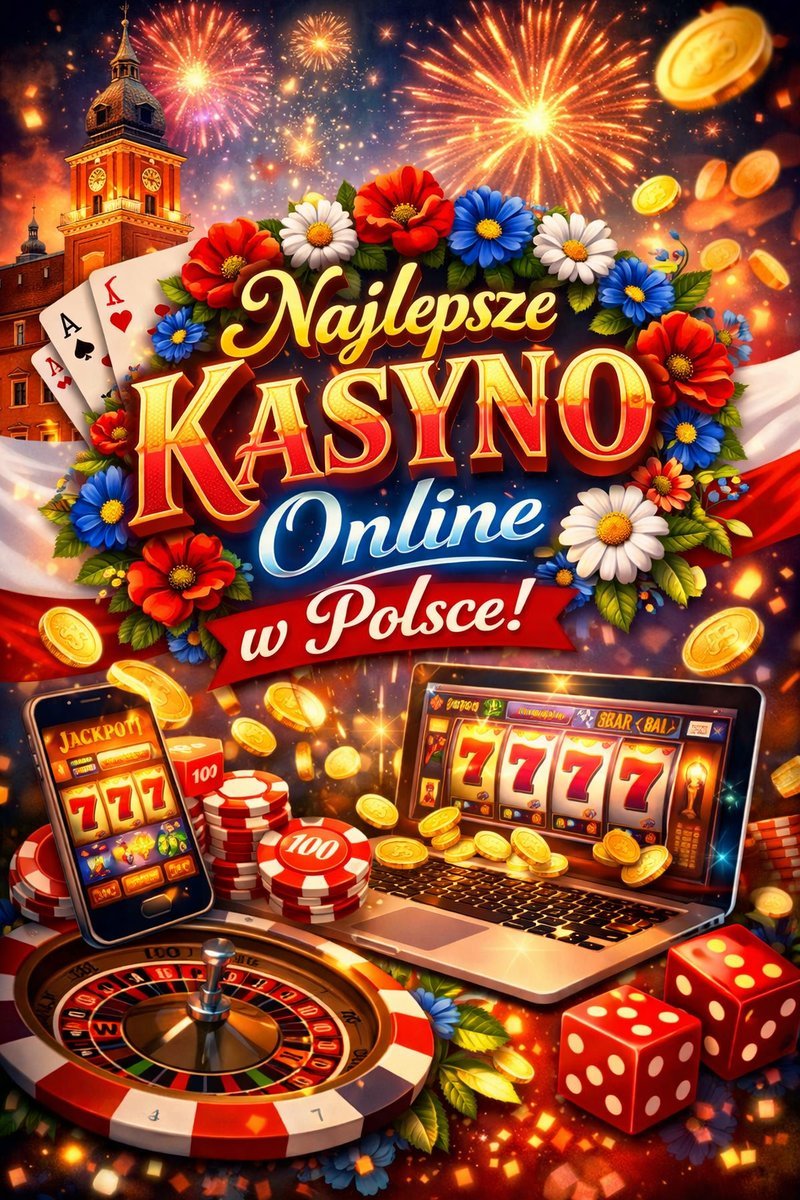
United Kingdom: When I first discovered Spinboss Casino, the headline that grabbed my attention was the promise of a 200% welcome boost on the first deposit. That concrete figure, coupled with a reputation for quick payouts, made it worth a closer look.

What You’ll Find Inside Spinboss Casino
-
Posted by
spinboss casino in United Kingdom. Spinboss Casino offers a catalogue of more than 400 slots, 30 table games and a live‑dealer section that updates every 15 minutes. The welcome bonus is a 100% match up to £200 plus 50 free spins on the popular slot Book of Dead .